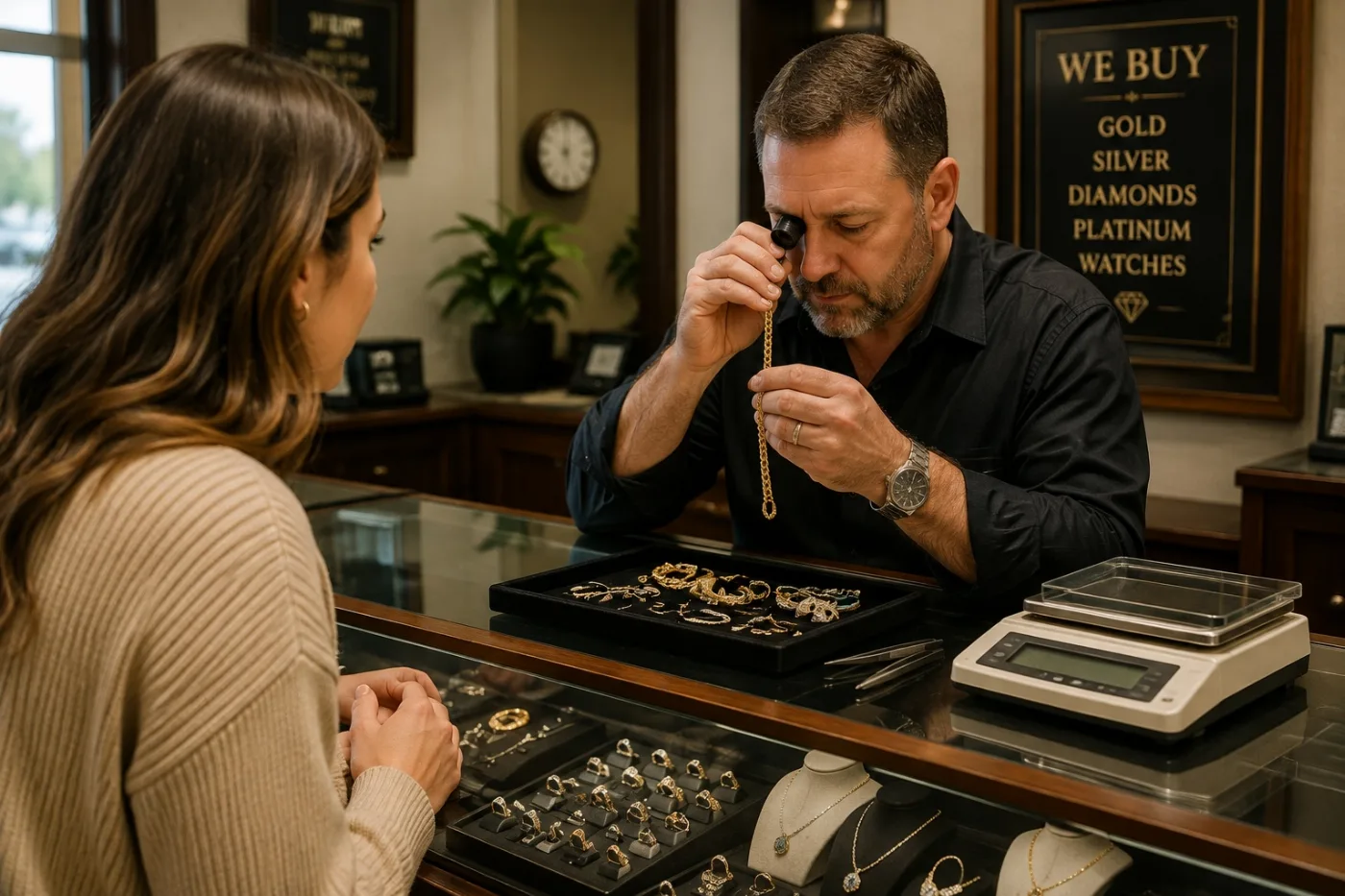
A trustworthy jewelry buyer in Lake Wales should be willing to explain how your jewelry is tested, weighed, and valued before asking you to make a decision. You should also be able to verify the buyer's business information, ask questions without pressure, and receive a clear offer you can accept or decline. For residents near Bok Tower Gardens, those basic checks can make selling inherited or estate jewelry feel much less uncertain.
HJ Coins & Jewelry works with people who want a straightforward way to evaluate jewelry they no longer wear or have inherited. If you are sorting through estate pieces from a home near Historic Downtown Lake Wales, call (863) 446-0713 and contact HJ Coins & Jewelry to arrange a private, no-obligation appraisal.
It is reasonable to feel cautious when you are selling something that may carry both financial and sentimental value. Whether you are coming from the area around Spook Hill or elsewhere in Lake Wales, taking time to check how a buyer operates can help you avoid rushed decisions and offers you do not fully understand.
Verify Who You Are Dealing With Before You Sell
Start with basic business information before handing over jewelry for evaluation.
Ask for the buyer's business name, contact information, physical location, and any credentials or documentation relevant to the transaction. A legitimate buyer should not make it difficult for you to identify who is evaluating your property or how to reach the business later.
You should also pay attention to how clearly the process is explained before any testing begins. If the buyer avoids questions, rushes straight to a price, or pressures you to sell immediately, that is a reason to slow down.
Estate jewelry can include pieces that have been in a family for decades. You should know who you are dealing with before deciding whether to accept an offer.
Ask to See How the Jewelry Is Tested and Weighed
Transparency is one of the easiest ways to separate a professional buyer from someone you should approach cautiously.
If your jewelry contains gold or another precious metal, ask how purity is determined and how the item is weighed. A trustworthy buyer should be able to explain what is being tested and how those findings affect the offer.
The process should not feel mysterious.
When you are purchasing jewelry from the seller's perspective, the value of an estate piece may depend on several factors, including metal content, weight, condition, and whether the item has characteristics that could affect its resale value.
Do not be afraid to ask the buyer to walk you through the evaluation. You do not need to become an expert in gold testing. You simply need enough information to understand why the offer is what it is.
Private Appointments Can Make the Process More Comfortable
Selling estate jewelry across an open counter can feel uncomfortable, especially when you are carrying pieces with significant financial or sentimental value.
A private appointment gives you more space to ask questions, review the pieces carefully, and discuss the offer without feeling watched or hurried. It can also make it easier to bring multiple items and evaluate them one at a time.
Privacy matters for another reason. You may not want strangers nearby to know what you brought in, how much it may be worth, or whether you plan to leave with cash or valuables.
When possible, ask whether the buyer offers a more private setting for evaluations rather than assuming every transaction must happen in an open retail area.
Understand How the Offer Is Calculated
A fair offer should come with an explanation.
For gold jewelry, the buyer may consider purity and weight as part of the evaluation. Other pieces may have value beyond metal content depending on the item, condition, design, stones, or marketability.
Ask what factors are being considered and whether the offer is based primarily on precious metal value or on the piece as a whole.
This is especially important with inherited jewelry because you may not know whether an item is simply scrap gold, a wearable estate piece, or something that deserves additional evaluation.
If you are also handling inherited collections that include currency or collectible pieces, buying and selling coins may be relevant during the same estate cleanout.
A Fair Offer Should Not Come With Pressure
One of the clearest warning signs is pressure to make an immediate decision.
You should be able to hear the offer, ask how it was determined, and decide whether you want to sell. If you need time to think, speak with family members, or compare another evaluation, that should be your choice.
Be cautious when a buyer tells you an offer will disappear immediately unless there is a clear market reason for the change. High-pressure language can make people accept terms they would have questioned if they had been given more time.
A professional buyer should be confident enough in the evaluation to let the numbers speak for themselves.
Bring More Information When You Have It
If you inherited jewelry with original receipts, appraisal documents, certificates, boxes, or notes about where the piece was purchased, bring those materials with you.
They may not automatically increase the value, but they can provide useful context.
You should also avoid cleaning older pieces aggressively before an appraisal. Harsh cleaning can damage certain finishes, stones, or delicate settings. If you are unsure, let the buyer inspect the item in its current condition first.
For a large estate, make a simple inventory before the appointment so you know what you brought and can review each item individually.
Know When to Walk Away
You are never required to sell simply because someone has evaluated your jewelry.
Walk away if the process feels rushed, the buyer will not explain the testing or weighing, the numbers keep changing without explanation, or you feel uncomfortable with how the transaction is being handled.
The goal is not just to get an offer. It is to understand enough about that offer to decide whether it makes sense for you.
If you are ready to have your estate jewelry evaluated without pressure, call HJ Coins & Jewelry at (863) 446-0713 and book a private, no-obligation jewelry appraisal.