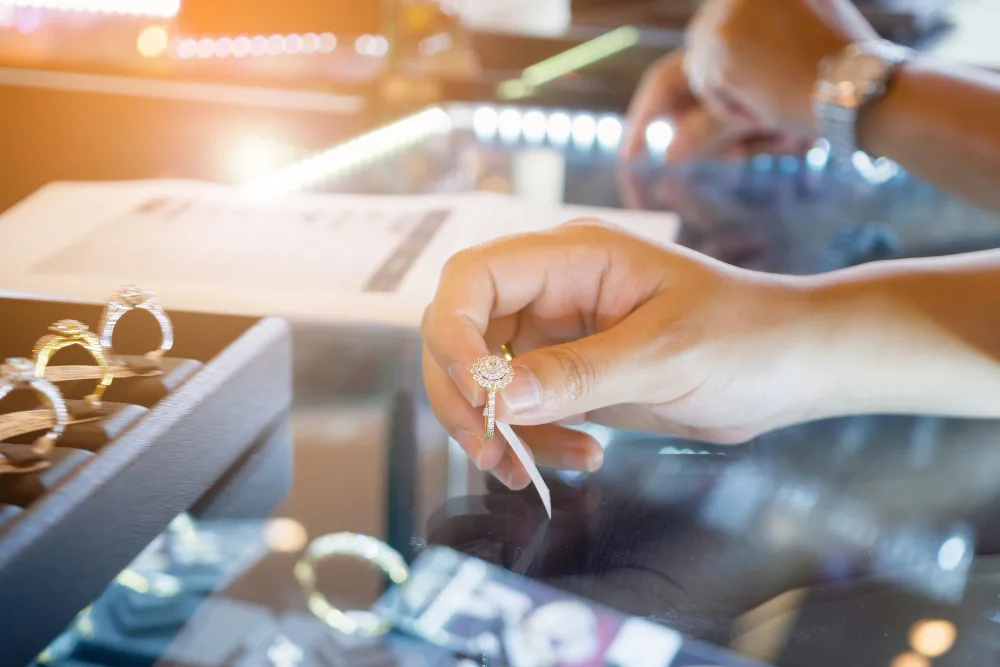
We have all had those moments where cash gets tight, or perhaps you have an old guitar gathering dust in the garage that you know someone else would love. If you live in the Sunshine State, visiting a pawn shop is a common and regulated way to get quick cash or find a bargain. But how exactly does the process work here in Florida, and what laws are in place to protect you?
In this guide, we will walk you through the ins and outs of pawning, selling, and buying at Florida pawn shops. Whether you're in Sebring, Orlando, or anywhere in between, knowing the ropes can help you get the best deal possible.
What is a Pawn Shop and How Does It Operate?
A pawn shop offers two main services: lending money on collateral (pawning) and buying items outright to resell.
When you "pawn" an item, you're essentially taking out a secured loan. You bring in an item of value—like jewelry, electronics, or tools—and the pawnbroker lends you cash based on a percentage of that item's value. You leave the item with them as collateral. If you pay back the loan plus interest within a set timeframe, you get your item back. If you don't, the shop keeps the item and sells it to recoup their money.
Alternatively, you can simply sell the item to the shop. This is often a quicker process if you have no sentimental attachment to the object and just want the cash.
The Legal Framework: Florida Statutes Governing Pawn Shops
What laws protect me as a consumer?
Florida has specific statutes (specifically Chapter 539 of the Florida Statutes) designed to ensure pawn transactions are fair and transparent. This isn't the Wild West; licensed pawnbrokers must adhere to strict rules regarding interest rates, holding periods, and record-keeping.
For instance, when you pawn an item, the shop is legally required to give you a pawn ticket. This ticket must include the date, a description of the item, the amount loaned, and the maturity date of the loan.
Why does this matter?
These regulations prevent predatory lending practices. Knowing that the state oversees these transactions gives you peace of mind that you're dealing with a legitimate business, not a loan shark. It also ensures that if your item is lost or damaged while in the shop’s possession, there are legal avenues for recourse.
How Pawn Shops Evaluate Items: The Appraisal Process
How do pawnbrokers determine value?
When you bring an item into a Pawn Shop in Sebring Florida, the pawnbroker will assess its current market value. They look at the item's condition, brand, age, and resell potential. For items like gold or jewelry, they will test the metal purity and weigh it.
They also use online databases and auction sites (like eBay) to see what similar items are actually selling for right now—not just what people ask for them.
What can I expect to get?
Don't expect to get the full retail price. Remember, the pawn shop has to store, insure, and potentially resell the item. Typically, you might be offered anywhere from 40% to 60% of the item's resale value. For example, if you have a used laptop that sells for $300 online, a pawn shop might offer you around $120-$150 for a loan.
If you're looking to sell jewelry and flatware, the appraisal often focuses heavily on the scrap value of the precious metals, though high-end designer pieces can command more.
The Loan Process and Interest Rates in Florida
What are the costs involved?
This is the most critical part to understand. In Florida, the maximum interest rate a pawn shop can charge is capped by law. Generally, pawnbrokers can charge a maximum of 25% interest per month.
Let's break that down with a real-world example. If you borrow $100:
- Loan Amount: $100
- Monthly Interest (25%): $25
- Total to Pay Back in 30 Days: $125
How long do I have to pay it back?
A standard pawn loan in Florida is 30 days. However, if you can't pay the full amount by the due date, you can often pay just the interest to extend the loan for another 30 days. This gives you flexibility if your paycheck is delayed.
Always check your specific pawn ticket for the exact dates. If you default (fail to pay), the shop takes ownership of the item. The good news is that a pawn loan is "non-recourse," meaning if you default, it doesn't hurt your credit score—you just lose the item.
Risks and Rewards: Consumer Tips for Pawning in Florida
Is pawning risky?
The primary risk is losing your item if you can't repay the loan. This is why financial experts suggest only pawning items you can live without, or ensuring you have a solid plan to repay the cash quickly.
However, the reward is immediate liquidity without credit checks. Banks won't lend you $50 for a weekend emergency, but a pawn shop will.
Tips for a smooth transaction:
- Clean Your Items: A shiny ring or a dust-free game console looks more valuable than a dirty one.
- Bring Accessories: If you're selling electronics, bring the charger, remote, and original box if you have it.
- Know Your Worth: Do a quick Google search before you go in so you have a realistic idea of what your item is worth used.
- Negotiate: It is okay to ask for a little more, especially if you're selling outright rather than pawning.
If you're interested in coins or bullion, doing your research on current spot prices for silver and gold is essential before walking into the shop.
Alternatives to Pawn Shops
Are there other options?
If you need cash but don't want to risk your valuables, consider selling items outright on platforms like Facebook Marketplace or OfferUp. You might get a higher price, but it takes more time and effort to meet up with strangers.
For specific high-value items like rare coins or estate jewelry, visiting a specialized dealer might yield a better return than a general Pawn Shop in Sebring Florida. Specialists often have a network of collectors willing to pay a premium for unique pieces.
Responsible Pawning in Florida
Pawn shops serve a vital role in our local economy, offering a safety net for immediate cash needs and a treasure trove for bargain hunters. By understanding Florida's regulations and how the valuation process works, you can use these businesses to your advantage safely and responsibly.
Whether you're looking to pawn a tool set to pay a utility bill or you're hunting for a vintage necklace near Lake Jackson, knowing the rules of the road ensures you get a fair shake.
If you have questions about the value of your items or are looking for a trustworthy local buyer, we are here to help. Contact HJ Coins & Jewelry at (863) 446-0713 today. We are your local experts in Sebring, right near the Alan Jay Arena, ready to give you an honest appraisal and a fair deal.