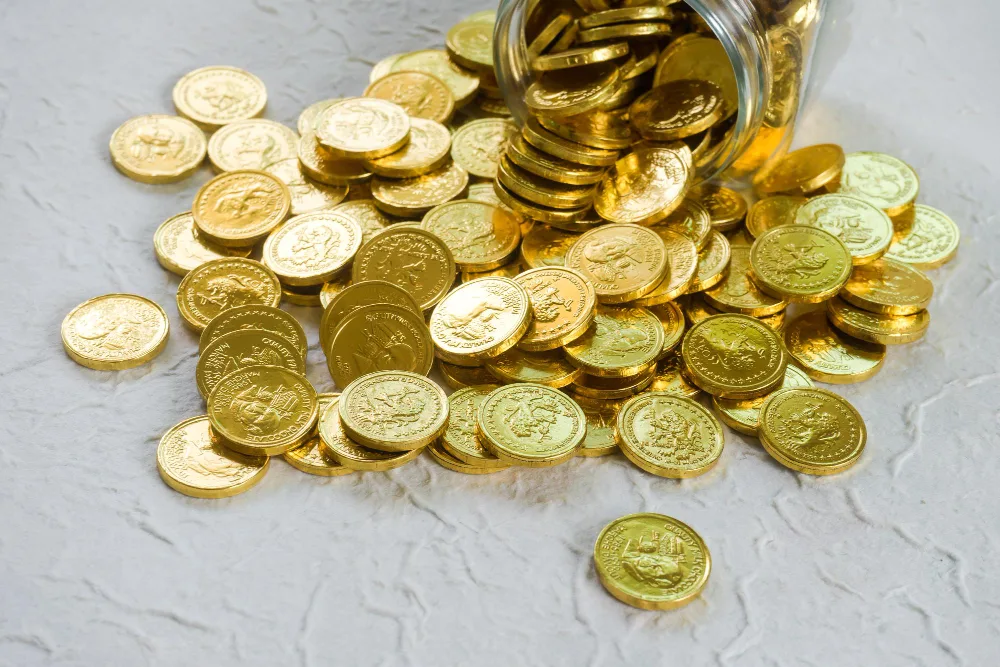
Whether you have been collecting for decades or you just found an old silver dollar in your attic, the world of numismatics (coin collecting) is exciting. But as with any financial transaction, the excitement often pauses when the subject of taxes comes up. Residents here in Highlands County often ask us if they need to pay extra when building their collection.
Nobody likes surprise fees, especially when you're trying to make a smart investment. The good news is that Florida is one of the most friendly states in the union for precious metals investors.
What is the basics of Florida’s tax system?
Florida generally relies on sales tax rather than income tax to generate revenue, meaning you keep more of your paycheck but pay a percentage on most goods you buy.
While we do not have a state income tax, the state sales tax rate is currently 6 percent. However, local counties can add their own discretionary sales surtax. For example, right here in Highlands County, the total sales tax rate you pay at the register is usually 7.5% (6% state + 1.5% county). This adds up quickly on large purchases, which is why understanding exemptions is so vital for your wallet.
Are coins considered taxable in Florida?
Generally, no—Florida law provides generous exemptions for the sale of coins, currency, and bullion.
For a long time, there was a threshold of $500 to qualify for tax-free status on coins. However, laws changed effectively on July 1, 2021. Now, US legal tender coins, currency, and bullion (like gold, silver, or platinum) are tax-exempt regardless of the purchase price.
Why does this matter? It means that whether you're buying a single American Silver Eagle or a tube of gold coins, you're not paying that extra 7.5% sales tax on the transaction. This exemption allows your investment to go straight into the metal rather than the state coffers.
Are there exceptions where I still pay tax?
Yes, the tax exemption applies specifically to coins, currency, and bullion, meaning other items in our shop are still subject to sales tax.
For instance, if you purchase a gold coin, it is tax-free. However, if you purchase a gold bezel to wear that coin around your neck, the bezel is considered jewelry and is taxable.
This is a common point of confusion. While coins enjoy tax breaks, remember that this doesn't apply to everything in the display case. If you're purchasing jewelry or flatware, those items are subject to the standard sales tax rates. Accessories used to display or protect your collection, such as albums, plastic holders, or magnifying loupes, are also fully taxable.
How does sales tax work for coin transactions?
When you buy exempt items like US legal tender or gold bullion, the receipt will show $0.00 in sales tax, keeping more money in your pocket.
We see customers come into our Coin Shop in Sebring Florida from all over—driving down from Avon Park or up from Lake Placid—specifically because investing in physical metal is straightforward here. When you visit us for buying and selling coins, we ensure the transaction is handled correctly according to the latest state statutes.
Why does this matter? Because improper coding of a sale could cost you money you generally do not owe. Dealing with a knowledgeable local dealer ensures you'ren't overcharged.
Do I have to report my coin profits?
Yes, even though Florida does not have a state income tax, you may still be liable for federal taxes on "capital gains" when you sell your coins for a profit.
The IRS treats coins and metals as property. If you bought a coin for $100 and sold it years later for $500, that $400 profit is a capital gain.
- Short-term gains: If you held the coin for one year or less, the profit is taxed at your ordinary income tax rate.
- Long-term gains: If you held it for more than a year, it is taxed as a "collectible." The maximum federal tax rate on collectibles is 28%, though it can be lower depending on your tax bracket.
Keeping accurate records of what you paid (your cost basis) and when you bought it is essential so you don't overpay Uncle Sam when it's time to sell.
Why should you consult a professional?
Tax laws are complex and subject to change, so getting advice from a certified tax professional is the best way to protect your assets.
While we are experts in grading and valuing coins at our Coin Shop in Sebring Florida, we are not CPAs. A tax professional can look at your specific financial situation—whether you're a casual hobbyist or an investor with a large portfolio—and give you guidance tailored to your needs. This is especially true if you're inheriting a collection, as the tax rules for inherited items can differ significantly from items you purchased yourself.
Resources and References
If you want to read the fine print yourself, the Florida Department of Revenue is your best resource. They provide detailed documentation on Sales and Use Tax specifically for dealers and investors.
Additionally, looking up "TIP #21A01-02" will provide details on the specific law changes enacted in 2021 regarding coin and bullion exemptions.
Conclusion
Living in the Sunshine State offers many financial perks, and the exemption on coin sales tax is a major benefit for collectors and investors alike. Whether you're enjoying a walk through Highlands Hammock State Park or spending the day by Lake Jackson, it is good to know that your local investments are protected from unnecessary state taxes.
If you're looking for a trustworthy Coin Shop in Sebring Florida, come see us. We are locals helping locals, ensuring you get fair prices and clear answers.
For specific questions about your collection or to see our current inventory, call HJ Coins & Jewelry at (863) 446-0713.