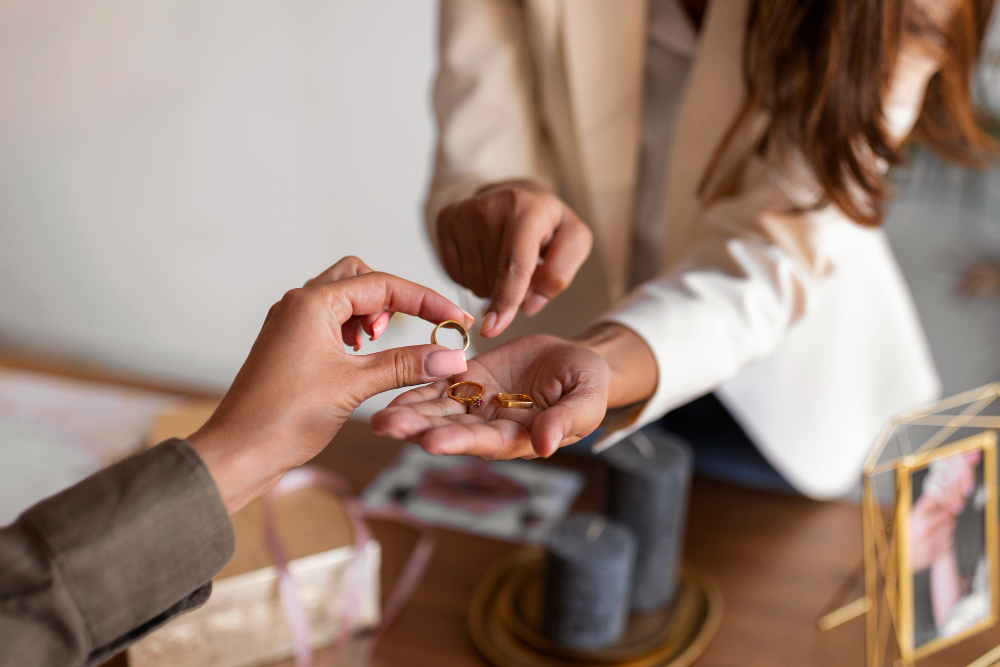
Inheriting jewelry can be a bittersweet experience. On one hand, you have items that might hold deep sentimental value, reminding you of a loved one. On the other hand, styles change, rings don't always fit, and sometimes, you just need the extra cash more than you need a vintage brooch sitting in a drawer. Deciding to sell these pieces is often an emotional journey as much as a financial one. You want to honor the memory attached to the items, but you also want to ensure you aren't being taken advantage of during the sale.
Navigating the world of jewelry resale can feel overwhelming. There are so many avenues to explore, from pawn shops to high-end auctions, and knowing which one is right for you can be tricky. This guide breaks down the process, helping you understand what your pieces are worth and the best way to turn them into funds you can use for your future.
How do you determine the value of your jewelry?
The value of your jewelry isn't just about what it originally cost; it's determined by materials, market demand, and condition.
When you look at a piece of inherited jewelry, you might see a family heirloom. A buyer, however, sees three things: metal, gemstones, and resellability.
- Metal Weight and Purity: Gold, silver, and platinum are commodities. Their value changes daily based on the stock market. A 14k gold ring has a baseline scrap value based strictly on how much pure gold is in it.
- Gemstones: Diamonds and precious stones add value, but not all stones are created equal. The "4 Cs" (Cut, Color, Clarity, Carat) play a huge role here. A large diamond with poor clarity might be worth less than a smaller, flawless one.
- Brand and Era: Signed pieces from famous houses like Tiffany & Co. or Cartier often hold their value better than unbranded items. Similarly, authentic Art Deco or Victorian pieces can command a premium because they are rare and desirable.
Understanding this distinction matters because it manages your expectations. An appraisal for insurance purposes (which represents the cost to replace the item brand new) is almost always significantly higher than the cash offers you will receive. Knowing the difference protects you from disappointment and helps you spot a fair offer when you see one.
What are your options for selling?
You generally have three main routes: selling online, going to an auction, or selling directly to an estate buyer.
Online Marketplaces
Websites like eBay or specialized jewelry resale platforms allow you to reach a global audience.
- Pros: You might get a higher price if you find the perfect end-user who falls in love with the piece.
- Cons: It takes time. You have to take professional photos, write descriptions, deal with shipping, and handle potential returns. plus, platforms take a commission fee, often ranging from 10% to 15%.
Auctions
Auction houses can be great for high-value, rare items.
- Pros: Competitive bidding can drive the price up significantly for unique pieces.
- Cons: It's a slow process. You have to wait for an upcoming auction, and if the item sells, the house takes a substantial cut (sometimes up to 20-30%). If it doesn't sell, you're back to square one.
Local Estate Buyers
Selling to a local professional is often the fastest and most straightforward method.
- Pros: Immediate payment and a face-to-face transaction. You can ask questions and get explanations for the offer.
- Cons: You need to find a reputable buyer to ensure you get a fair market price.
Why should you choose a local estate buyer?
Working with a local Estate Buyer in Highlands County, FL, offers security, speed, and personal service that online options can't match.
When you deal with a local business, you aren't just an order number. You are a neighbor. At HJ Coins & Jewelry, for instance, you can walk in, have your items evaluated right in front of you, and walk out with a check or cash the same day. There is no waiting for shipping, no fear of the package getting lost in the mail, and no anxiety about an online buyer claiming the item wasn't "as described."
This matters because trust is the most valuable currency in the jewelry business. A local buyer relies on their reputation in the community. If they treat people unfairly, word spreads fast in towns like Sebring or Lake Placid. They have a vested interest in being fair and transparent because they want you to come back and to recommend them to your friends.
How should you prepare your jewelry for sale?
A little bit of cleaning helps, but don't overdo it—you might accidentally damage the piece.
First, gather everything you have. Look for original boxes, paperwork, or previous appraisals. These documents can help verify the authenticity of a piece, especially for luxury brands, which can increase the offer price.
Next, give your items a gentle cleaning. Warm water, mild dish soap, and a soft toothbrush are usually safe for most gold and diamond jewelry. Gently scrub away the grime that accumulates over years of wear. Seeing a piece sparkle makes a better first impression.
However, be careful with vintage items. Old patina (the darkening of metal that happens over time) is sometimes desirable to collectors. Aggressively polishing a vintage silver piece might actually lower its value. If you are unsure, it is better to leave it as-is and let the expert handle the cleaning.
Finally, separate your costume jewelry from fine jewelry if you can tell the difference. Look for stamps like "14k," "585," "925," or "PLAT." If you can't tell, don't worry—a pro can sort it out for you in minutes.
What are common mistakes to avoid?
The biggest mistake sellers make is accepting the first offer they get without knowing the real value, or getting tricked by "mail-in" scams.
- Avoid "Mail-In" Gold Buyers: You've seen the commercials promising high payouts if you put your gold in a prepaid envelope. Often, these services offer pennies on the dollar compared to a local estate buyer. Once they have your gold, you have very little leverage to negotiate.
- Don't Clean Antique Coins: If your inheritance includes coins, do not clean them. Cleaning a rare coin can reduce its numismatic value by 50% or more instantly.
- Ignoring the Spot Price: Gold and silver prices fluctuate. Before you go to sell, take a quick look at the current spot price of gold. While you won't get the full spot price (buyers have to cover overhead and refining costs), knowing if gold is at an all-time high helps you understand the offer.
Why HJ Coins & Jewelry is your trusted local partner
We have been serving Highlands County for years, providing honest evaluations and fair payouts for estate jewelry, coins, and collectibles.
HJ Coins & Jewelry isn't a pawn shop; we are specialized estate buyers. This means we have the specific knowledge to evaluate not just the scrap value of your gold, but the resale value of your diamonds and the collectible value of your vintage pieces. We understand the local market here in Central Florida. Whether you are in Sebring, Avon Park, or coming from the coast, we make the drive worth it by offering competitive prices.
We take the time to explain exactly what you have. If you have a piece that is worth more as a resellable item than as melted-down gold, we tell you. We believe an informed customer is a happy customer.
Ready to find out what your items are worth?
If you have inherited jewelry sitting in a safety deposit box or gathering dust, turn it into something you can use today.
Visit HJ Coins & Jewelry for a free, no-obligation evaluation. We will sort through your items, explain the value of each piece, and make you a fair cash offer on the spot. Don't let your treasures sit hidden away—let us help you unlock their value.